A Social Return on Investment
For every $1 invested in the YEP program, there is a societal benefit of $27

Key Highlights

Over 1,000 participants benefit yearly, across 5 countries: Canada, Spain, Poland, Ethiopia, and Niger

YEP is one of only a handful of organizations to receive the United Nations’ Innovation Award

Youth have contributed over 400,000 volunteer hours, valued at more than $6 million

YEP spends about $250 per youth to achieve its impact, compared to the industry average of $3,740.
Every $1 invested into Youth Empowering Parents generates $27 of social impact
Our SROI framework was developed by Boston Consulting Group and the study was carried out by Community Seed Consulting.
This rigorous analysis focused on our direct delivery programs where youth teach adults or seniors, examining the short and long-term life outcomes for youth volunteers and adult learners. By connecting our program's results to established research, this SROI study provides insight into the lasting positive change your donations are making.
Youth Empowering Parents is able to operate programs at a lower cost, compared to similar nonprofits, while still delivering high-quality programming. We achieve this through community space partnerships and dedicated youth volunteers who provide ongoing 1-on-1 training. In essense, we leverage what already exists in many communities: programming spaces, the knowledge that youth have, and the desire for youth to want to give back to their communities in meaningful ways. This lets us provide our donors with a significant social return.





Employment

Improved Academic Outcomes for Youth

Research shows that improved grades in primary and early on in secondary school greatly increase the likelihood of attending university. A University degree provides someone with an increased earning potential of more than $13,000 per year.
YEP's Success: 85% of YEP youth reported improved grades as a result of the training and experience they receive in our program, boosting their confidence and drive for higher education.
Improved Language Proficiency Among Adults
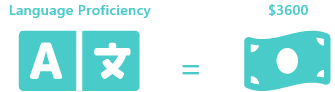
Research finds that a newcomer adult with English language proficiency has an increased earning potential of more than $12,000 per year compared to those who don't, due to the ability to find better employment.
YEP's success: Our programs provide adults with one-on-one tutoring, specifically tailored to their needs so that they can learn as quickly as possible. 100% of adults in the program reported improved language proficiency.
Improved Digital Literacy Among Adults

Increased digital literacy fosters a more innovative and creative workplace, and enables remote work. Moreover, the national productivity gain is $1,600 per worker.
YEP's Success: Our digital literacy programs offer a range of paths that adults can join to improve their skills. 100% of adults who joined our Tech Skills for the Workplace stream reported improved digital literacy.

Mental Health and Wellbeing
Reduced Feelings of Parentification Among Youth

Parentification occurs when a child is forced to take on adult roles and responsibilities within their family, often exceeding their developmental capacity and losing their own childhood in the process. One example of where this happens is in families where children speak English but parents do not, causing the parent to rely on the child in everyday activities (e.g., translating at a doctor's office or bank, reading mail, filling out government forms).
Parentified youth face higher risks of mental health issues, such as anxiety and depression, and are more likely to drop out of school. Research finds that youth who experience parentification earn nearly $7,500 less per year in the future than youth who don't experience it.
YEP's Success: YEP programs teach a range of skills that help adults become more independent in daily life. Three out of four youth whose parents attended YEP programs reported reduced hours spent helping their parents with daily tasks.
Increased Self-Esteem Among Youth

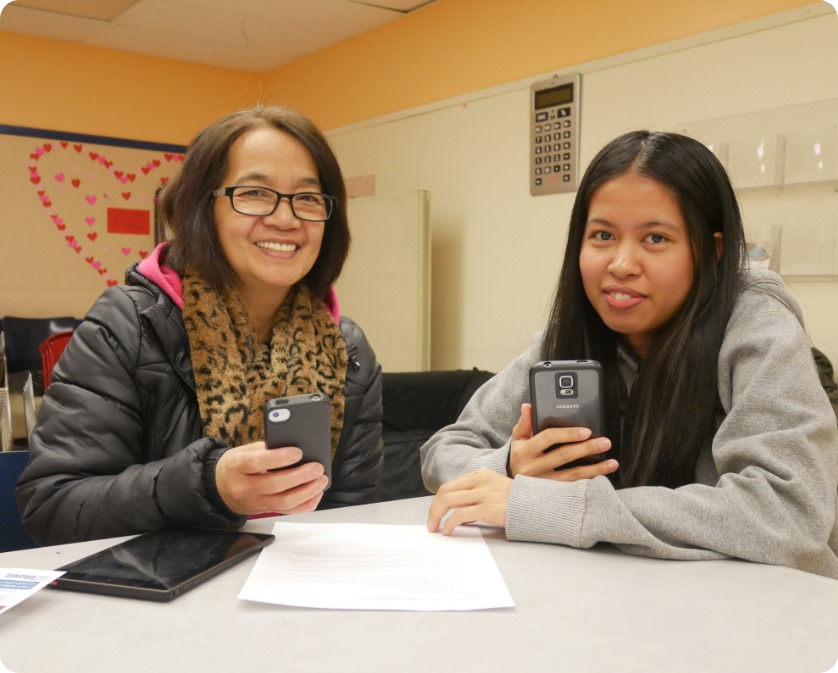
Research has found that young people in low-income communities can earn $7,000 more per year as an adult if they build high levels of self-esteem as a youth.
YEP's Success: YEP programs primarily operate in low-income, underserved communities. We actively search for and select youth volunteers who have low levels of self-esteem and work towards improving their self-perception of what they can accomplish. This increased self-esteem leads to improved performance in school, family relationships, mental health, and well-being.

Increased Language Proficiency and Reduced Isolation Among Adults

Not being able to communicate in English (or in a national language) or use digital technology leads to likely long-term challenges, including social isolation, which in turn can contribute to anxiety. In Canada, the government spends an average of more than $7,000 per person annually on direct and indirect costs related to anxiety disorders.
YEP's Success: Our programs actively search for and engage adults and seniors who are experiencing long-term social isolation. We address support them through one-on-one tutoring focused on language acquisition and digital literacy, creating a safe and supportive environment for social interaction and skill development.

Better Communities

Increased Likelihood of Volunteering Again Among Youth

When young people volunteer, it increases their likelihood of volunteering as adults. Volunteering brings numerous benefits, such as personal and professional growth, expanded networks, increased empathy for others, and improved mental and physical health. External studies have estimated the yearly average value that each volunteer brings to a community is more than $3,500.
YEP's Success: YEP engages young people as early as Grade 5, providing early exposure to volunteerism that shapes them into active and responsible citizens. They see at a young age that they're able to make a strong impact through volunteering. Over 90% of YEP youth express a strong desire to volunteer again.
More Efficient Spending of Donated Funds

Research indicates that at-risk youth who participate in volunteer activities are more likely to become positive role models within their communities. Specifically, studies show that 13% of children who do not volunteer are likely to engage in delinquent behavior, compared to only 7% of those who do. This underscores the preventative power of volunteerism. However, programs supporting at-risk youth often come at a high cost, averaging $3,740 per youth.
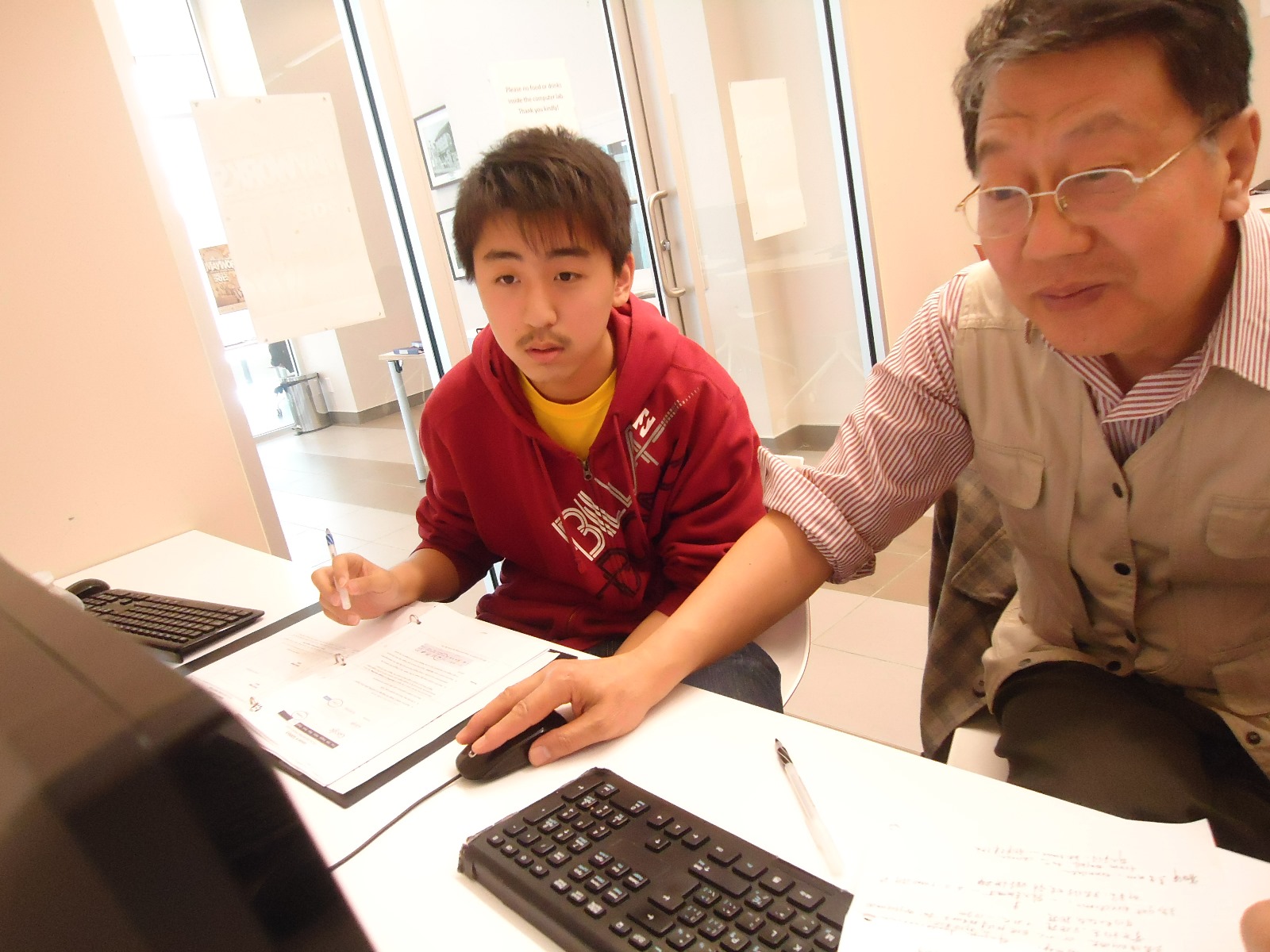
YEP's Success: YEP primarily operates in at-risk communities, and only spends about $250 per youth. This remarkable cost-effectiveness is achieved through our reliance on volunteer youth tutors, faster learning as a result of one-on-one teaching, centralized curriculum development, and strong community partnerships. By leveraging the power of peer-to-peer learning and focusing on readily available resources, we maximize impact while minimizing overhead.

Every $1 Donated to YEP = $27 in Social Benefit
From fostering youth leadership to empowering adult learners, we are committed to creating sustainable positive change. To learn more about our SROI findings, the work we do, or to get involved as a volunteer, donor, or partner, please contact us.
Contact Us