
Reverse mentorship
When young people mentor adults, both sides gain: youth build leadership skills while adults learn something new.
Youth Empowering Parents3 min read
What is Reverse Mentorship?
Reverse mentorship was first popularized in 1999 by former General Electric CEO, Jack Welch, in a program that enlisted younger employees to teach senior executives about the internet. Because young people have vast exposure to and skills in the latest technology, social media, music, and more, they can be the best teachers to adults who have little to no experience in these fields. This process quickly became a new, innovative way of teaching and learning, and an alternative to traditional senior-on-junior mentorship. It offers cross-generational learning and relationships when younger people, such as Generation Z or Millennials, become mentors to older generations like Baby Boomers.
The Purpose of Reverse Mentorship
Reverse mentorship is commonly done for the purpose of knowledge sharing between otherwise separated groups of people. The mentee is focused on learning from their mentor’s updated knowledge and expertise, while the mentor often undergoes learning and leadership development when tutoring older adults.
Benefits of Reverse Mentorship
Akin with the findings of several studies, we at Youth Empowering Parents (YEP) use reverse mentoring programs to offer several benefits to youth mentors and adult mentees alike. Here are some known benefits:
How Do We Use Reverse Mentorship At YEP?
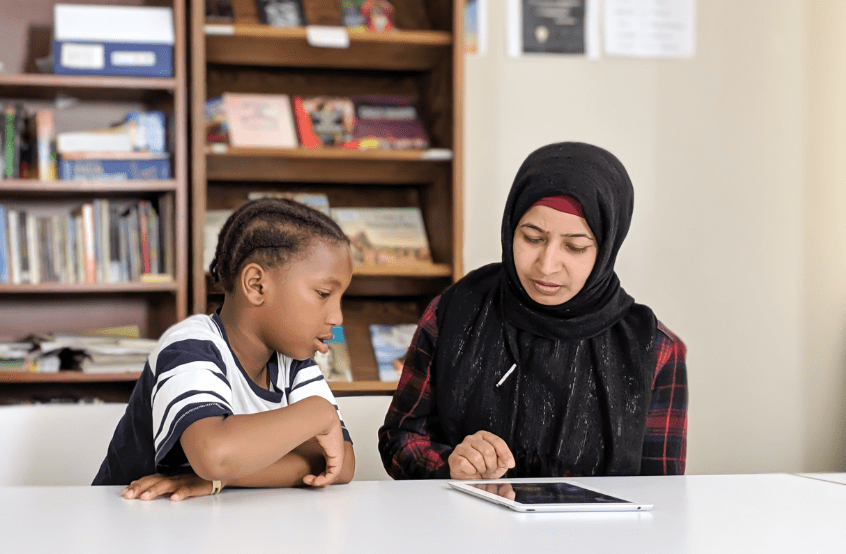
At YEP, we’re changing the ways that reverse mentorship is used and implemented. While most reverse mentoring programs operate in the workplace setting and are added to pre-existing mentorship arrangements, we’re using reverse mentorship as the foundational element for every single one of our programs. In this, we’ve applied the process and transferred its benefits to youth and adults outside the labour force. We do this by creating an environment where young people, namely elementary to post-secondary school students, are the sole instructors while adult learners become the students. Most of our programs involve youth teaching adults basic life skills such as how to use a computer, getting on social media, or playing a musical instrument. Further, we offer the opportunity for students to teach their own teachers unconventional subjects such as dance.
By handing the reigns over to young people and giving them the chance to demonstrate their proficiency in the latest trends, they leave our programs with a sense of accomplishment, the feeling that they’ve made a difference, and the notion that they were able to give back to their communities.
Lessons for the Future
The world is changing, and we need to change along with it. With this in mind, it’s crucial we remember that, “[w]ith the pace at which technological advancements are likely to continue developing, students are a valuable resource and should be looked to as potential mentors for those who want to keep abreast of these new information sources.” Since young people’s voices are those of the future, and we must listen closely and attentively to what they have to say.
Originally published by Youth Empowering Parents on Medium.


